
George, Duke of Clarence (Brother)
George, Duke of Clarence (Brother)
by Wendy Johnson
George, Duke of Clarence is a controversial figure, often depicted as grasping, envious, even drunken. But how much of this lively portrayal is actually true? Historians are divided, and novelists have often felt free to create a monster whose character traits are every bit as colourful as those of the fictionalised Richard III. While there can be little doubt that the facts of George’s life reveal a troubled and unhappy individual, perhaps like his brother Richard, George may in time benefit from further re-assessment.
The third surviving son of Richard, Duke of York and Cecily Neville, George was born in Dublin on 21st October 1449, during his father’s Lieutenancy of Ireland. When he was eleven months old, George’s family returned to England and his early years witnessed the dawn of the political upheaval popularly known as the ‘Wars of the Roses’. When George was six, violence erupted between supporters of Henry VI (Lancastrians) and those of the Duke of York (Yorkists), and as a result the ensuing years witnessed periods of intermittent but bloody conflict. In 1459, the capture of George (10), and his young brother Richard (7) at the Lancastrian rout of Ludlow must have left a fearful impression upon both boys.
Following their father’s death at the Battle of Wakefield in December 1460, George and Richard were sent to the Low Countries for safety. However, exile lasted only a few months and both boys returned to England when their elder brother, Edward, defeated the Lancastrians at Towton in March 1461 and assumed the throne as Edward IV. In the wake of the Yorkist triumph it is possible that a marriage alliance was proposed between George and Mary, the young granddaugher of the Duke of Burgundy, although nothing substantial appears to have come of this.
On the eve of Edward’s coronation, George was invested as a Knight of the Bath. The king also honoured him with the Lieutenancy of Ireland and the dukedom of Clarence. Still a minor, the new duke remained in the company of his siblings, Margaret and Richard, in their own household at the palace of Placentia (Greenwich). Assuming his majority on 10th July 1466, George established his own household at Tutbury Castle, Staffordshire. There is no doubt that the grants received from King Edward at this time were particularly generous, and that George’s lifestyle was illustrative of his new status as heir presumptive. The adolescent George was finding his place in the world, undoubtedly conscious of his exalted position in the line of succession.
Things, however, were about to change. In 1464 Edward IV’s clandestine marriage to Elizabeth Woodville, widow of the Lancastrian knight, Sir John Grey, created deep divisions within the House of York. Particularly angered was Edward’s most powerful supporter and cousin, Richard Neville Earl of Warwick, whose foreign diplomacy aimed at a dynastic union with a continental princess. A mutual bond of resentment formed between Warwick and George of Clarence; united in their dislike of the new queen and her siblings’ monopolisation of the aristocratic marriage market.
But soon another marriage was mooted on George’s behalf, this time with Warwick’s eldest daughter, Isabel Neville. Edward refused to countenance the match, perhaps anticipating a dangerous alliance between his brother and their powerful cousin. Undaunted, George and Warwick conducted secret negotiations with the papal authorities and a dispensation was duly granted. Stealing across the Channel, George and Isabel were married at Calais in July 1469, by Warwick’s brother the Archbishop of York. Upon their return to England, Warwick and George issued a manifesto condemning the growing political influence of the queen’s family and repudiating the Woodvilles’ ‘disceyvabile covetous rule’. Rebellion soon ensued, with Warwick and his new son-in-law, George, openly opposing Edward. Imprisoning the king in the Yorkshire castle of Middleham, Warwick gave orders for the execution of the queen’s father, Richard Woodville, and her brother John. In addition, Elizabeth’s mother, Jacquetta, was accused of dabbling in the black arts. However, despite Warwick’s popularity in the capital, lawlessness was soon evident and it became apparent that the kingdom could not fully function without the discernible presence of the king. Edward was therefore allowed to ‘escape’ and a reconciliation of sorts took place.
Although George had remained aligned with Warwick, his father-in-law’s mounting dissatisfaction took a new and dangerous turn as the earl defected to the Lancastrians. George’s personal feelings, as Warwick threw in his lot with their old enemies, can only be guessed at. Under the terms of the new alliance, Warwick would help re-establish the old Lancastrian regime by restoring Henry VI to the throne. As a reward, his younger daughter, Anne Neville, would marry the Lancastrian Prince of Wales. Whilst this arrangement might have seemed advantageous to Warwick, George’s position became increasingly precarious. The best he could hope for was to remain heir presumptive, should Edward of Lancaster and Anne fail to produce heirs of their own,
King Edward was forced to flee to the Continent, along with his brother Richard and a number of close retainers.
Meanwhile, the family of York was eager to draw George back into the fold. His sisters penned letters of encouragement while Edward, having successfully raised support in the Low Countries, employed a go-between to sound out his brother’s intentions. Increasingly discontented with Warwick’s policies, George agreed to return to his old allegiance and act as a mediator between Edward and the earl. So far so good. But when Warwick refused to capitulate, George took to the field alongside his brothers, and on Easter Sunday 1471 the earl was slain at the Battle of Barnet. The Battle of Tewkesbury, less than three weeks later, saw the death of Edward of Lancaster and the re-establishment of Edward IV on the throne of England.
Sadly, victory did not put an end to family conflict. As Edward’s second reign commenced, George and his brother, Richard, were at odds over the fate of the newly widowed Anne Neville. In the aftermath of Tewkesbury, George and Isabel had taken Anne into their care. Anne, as Isabel’s sister, was co-heir of the Warwick inheritance and, as Richard wished to make her his wife, her share of the inheritance was of concern to George. Opposing the match, George concealed Anne in order to thwart his brother’s matrimonial plans. Richard, however, discovering Anne’s whereabouts, transferred her to the sanctuary of St Martin-le-Grand. Richard and Anne were duly married and Edward eventually imposed a settlement, dividing the inheritance in two acts of parliament. Finally, George and Richard came to terms.
For a time dealings between George and the king appeared reasonably stable, although a question mark remained over his relationship with the queen. George, by association, was implicated in the execution of Elizabeth’s father and brother in the wake of Warwick’s rebellion. Following the death of Isabel Neville in December 1476, and the subsequent demise of their new born son, George immediately suspected foul play. In April 1477, he abducted one of Isabel’s former attendants, Ankarette Twynho, trying and executing her on the charge of poisoning her mistress. A further servant, John Thursby, was accused of administering poison to the infant.
Relations between George and his brother, the king, now swiftly deteriorated. Following Isabel’s death, the prospect of marriage between George and Mary of Burgundy re-emerged, but Edward refused to countenance the match. A subsequent proposition – marriage to a Scottish princess – met with an equally negative response.
In May 1477, a member of George’s household, Thomas Burdett, was charged with ‘imagining the king’s death by necromancy’. In addition, he was accused of writing verses predicting the downfall of Edward’s direct heirs. When Burdett and an associate, John Stacy, were executed at Tyburn on charges of high treason, George stormed unannounced into a meeting of the royal council at Westminster Palace, ordering Burdett’s declaration of innocence, uttered from the scaffold, to be read aloud. As a result of his actions, George was arrested on the orders of the king for matters ‘in contempt of the law of the land.’
George’s fate was sealed. In January 1478, Edward himself brought a charge of high treason against his brother, of plotting against himself, Queen Elizabeth and their offspring. In addition, George stood accused of sowing sedition amongst the king’s subjects, and of inciting rebellion with the intent of seizing the throne. Edward was at great pains to recount how, despite the mercy he had previously shown his brother, George had continued to involve himself in treasonous activity. Inevitably George was condemned, an Act of Attainder was passed, and his lands made forfeit. The duke himself was consigned to the Tower pending execution. George died on 18th February 1478, allegedly by immersion in a vat of Malmsey wine, and was buried alongside his wife in Tewkesbury Abbey.
To this day, George of Clarence remains a fascinating and enigmatic figure. However mercurial his loyalties to his king, there can be little doubt of his commitment to his wife and children. His genuine belief that, towards the end of his short life, he and his family were in imminent danger is evidenced by an attempt to convey overseas his remaining son, Edward of Warwick. The indictments presented by Edward IV against his brother are clearly recorded and make damning reading, yet the claims made by George against the king are equally astounding. Edward, George declared, was not only guilty of employing the black arts ‘to poison his Subgettes, suche as hym pleased’, he was also illegitimate, with the result that neither he, nor his children, were eligible to rule. Most chilling of all, George’s assertion that the king ‘entended to consume hym in like wyse as a Candell consumeth in brennying (burning), whereof he wolde in brief tyme quyte hym.’ None can doubt that in his final accusation, at least, George was telling the truth, Moreover, George’s request to ‘uphold his case by personal combat’ (Crowland Chronicle) illustrates a profound belief in the veracity of his cause.
Those hostile to Richard III have suggested that as a royal duke, and brother to both George of Clarence and the king, Richard could have interceded on George’s behalf, or at least voiced some objection to his brother’s trial and execution. However, five centuries later, we cannot say with any degree of certainty that he did not. Any private conversations between Richard and the king are likely to have been unrecorded, particularly if Edward would not be moved on the matter. On the other hand, it is unclear how any intervention on Richard’s part could have succeeded. Action to undermine a charge of treason would ultimately have called into question the judgement of the king himself. Open, as opposed to private, support for George would also have allied Richard with a convicted traitor. George’s fate alone makes it clear that nearness of blood did not, in itself, prevent Edward arraigning a brother for such an offence. All that can be said is that a convicted traitor invariably suffered a public death by means of hanging, drawing and quartering. If George did meet his fate in a butt of Malmsey wine, then this commuted sentence came at the behest of someone close to him.
In recent years the late historian John Ashdown-Hill has emphasised the contemporary belief that the power behind the conviction and death of George of Clarence was Edward’s queen, Elizabeth Woodville. In a letter written to the Earl of Desmond in 1483, the newly crowned Richard III appears to confirm his own belief concerning the involvement of others, besides Edward IV, in his brother’s death and subsequent execution.
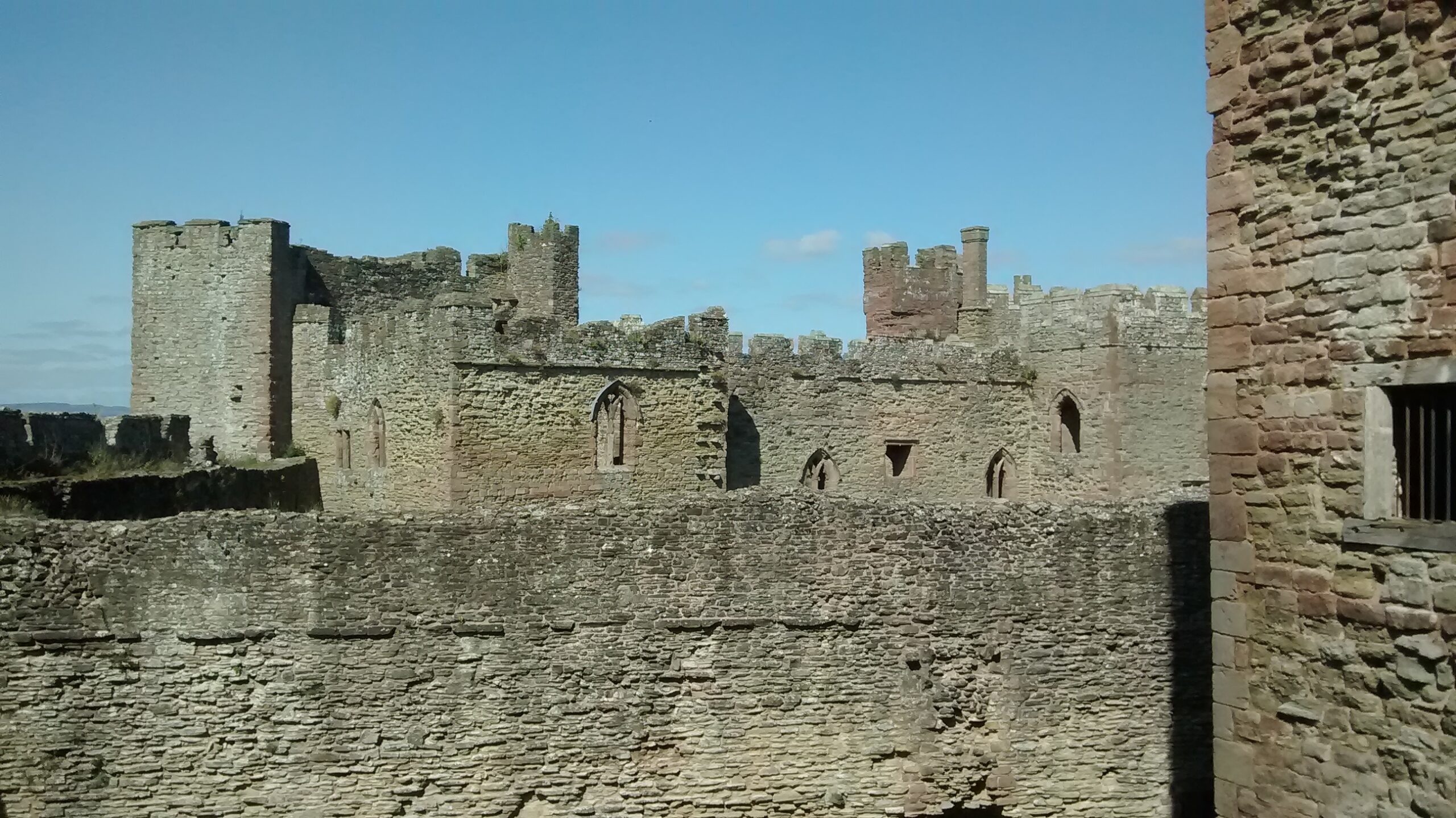
Ludlow Castle
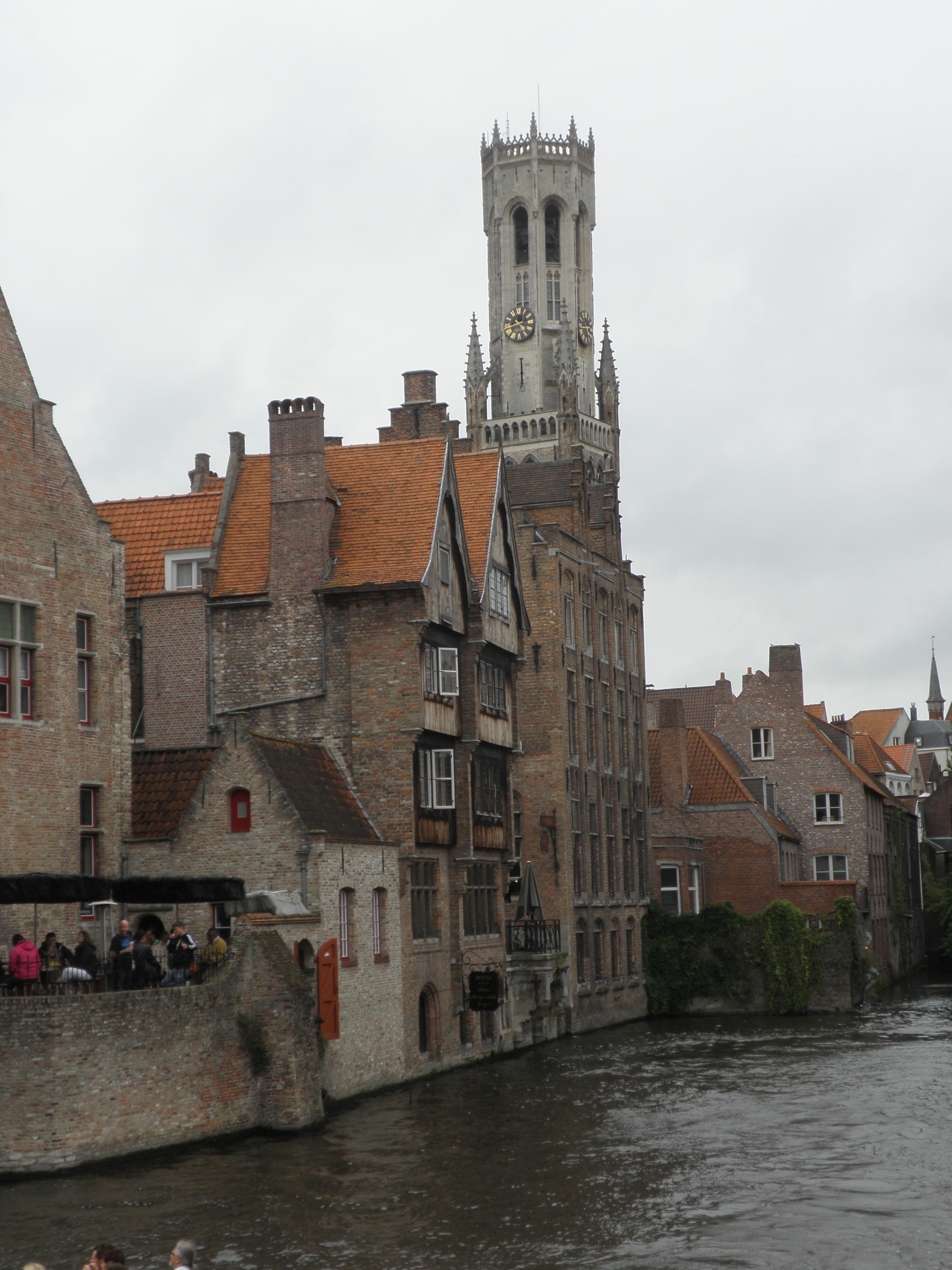
Bruges - home to George for a few months

George, Duke of Clarence based on the Rous Roll ©Geoffrey Wheeler
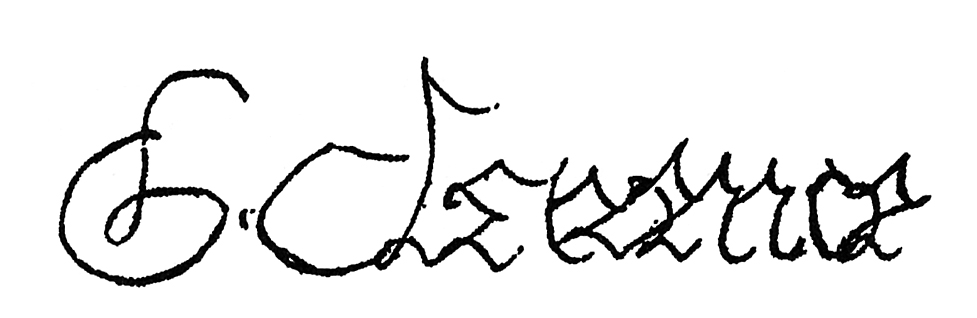
Signature of the Duke of Clarence. Redrawn by Piat Design.
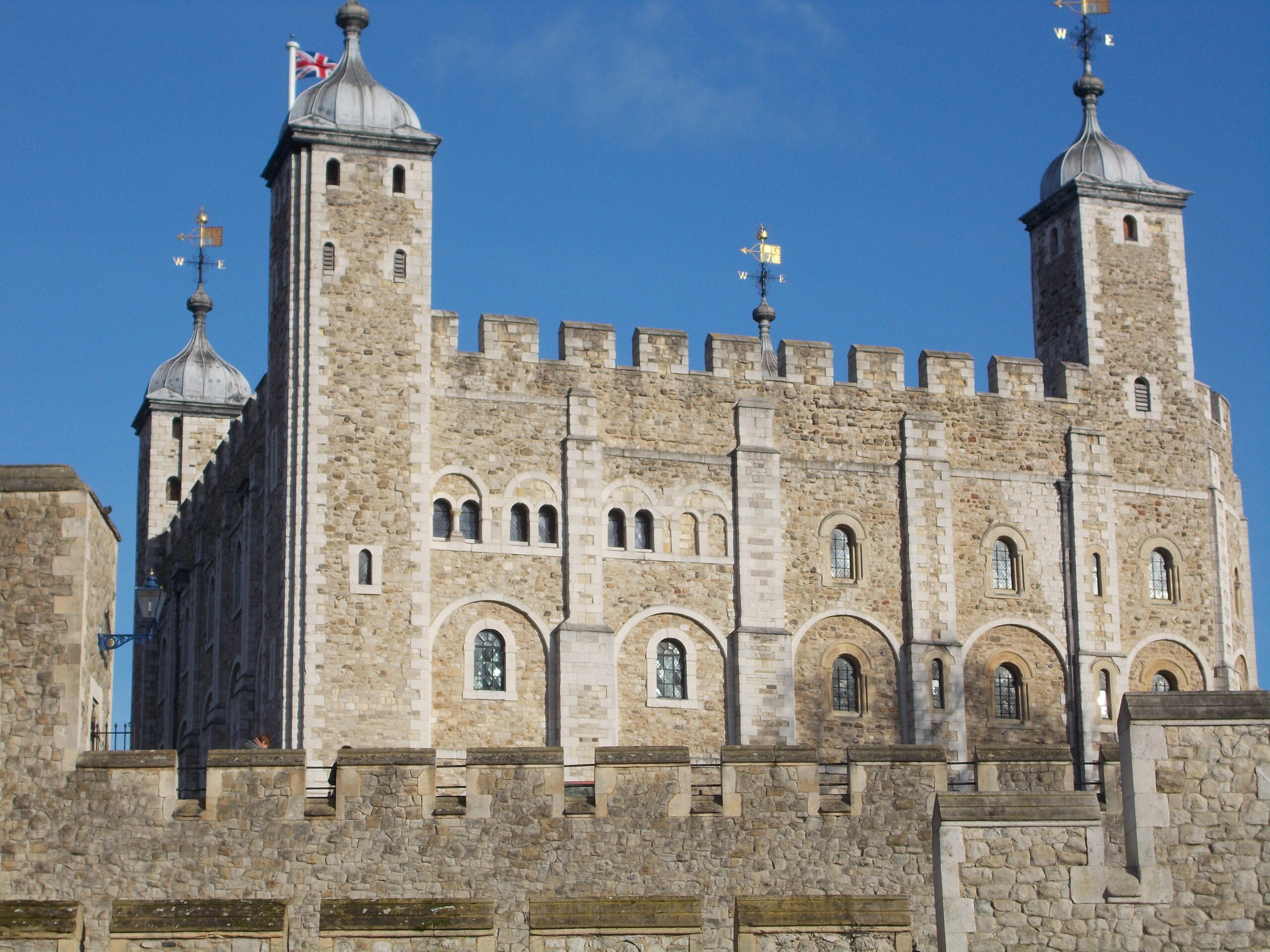
The Tower of London, where George was executed in February 1478
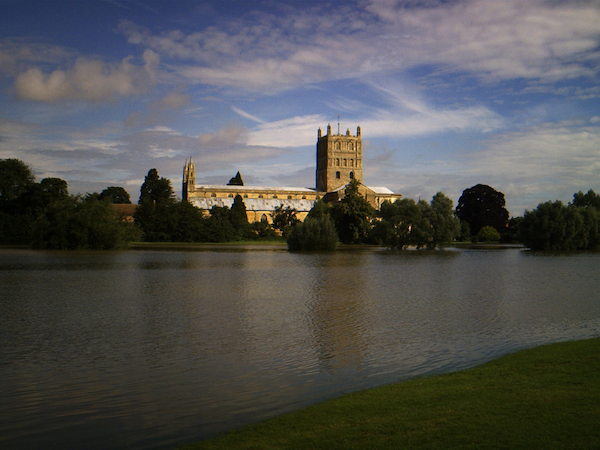
Tewkesbury Abbey, burial place of George and his wife Isabel
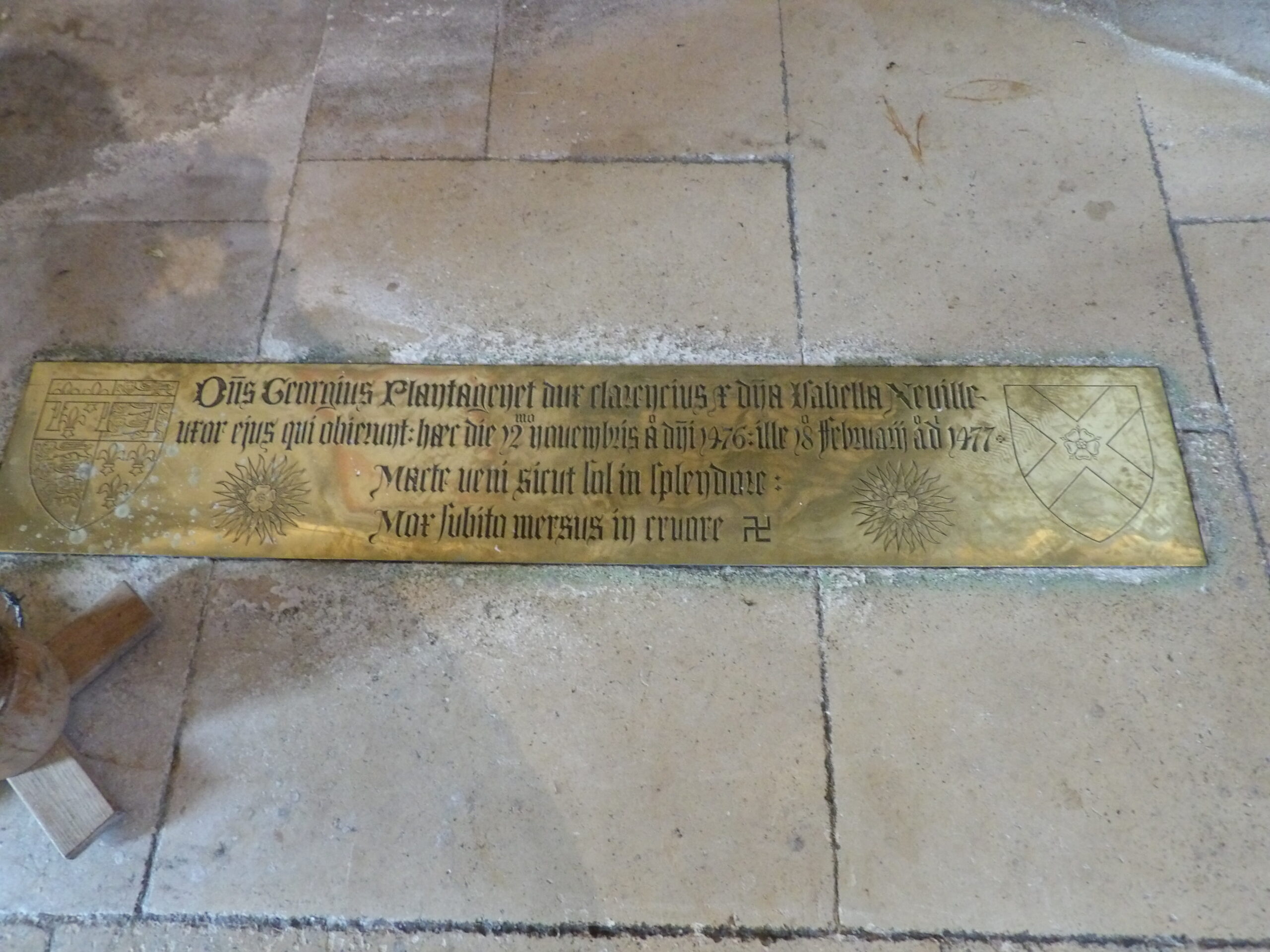
Plaque marking the resting place of George and Isabel, Tewkesbury Abbey